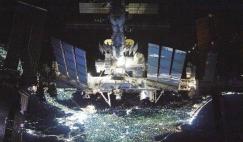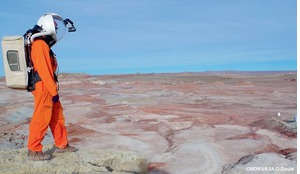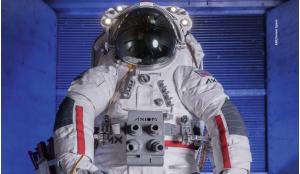



Between the late 1950s and the late 1960s, humankind seemed poised to take an incredible leap forward, as the Space Age brought stunning technological achievements and captured the imagination of the world. Stephen Kostes explores how space enterprise might once again reinvigorate the global economy and restore our ability to make that leap.
In a relatively brief period, America marched from the first X-15 rocket planes, to Earth orbiting capsules and, finally, to the Apollo lunar missions. John Kennedy’s challenge to land men on the Moon by the end of the 1960s became a reality and we seemed to be at the dawn of a true Space Age, when humans would routinely live and work on the high frontier. An infrastructure of scientific and commercial platforms in orbit, and lunar bases connected by a reliable transportation network, seemed inevitable to an inspired generation of ‘baby boomers’ who flooded into science and engineering hoping to participate in humankind’s greatest adventure.
However, unlike the Moon landings, that vision never materialised. Instead of taking advantage of the technology developed during the Apollo era, short-sighted US politicians gutted the space programme.