


With less than a couple of weeks to go before the start of the 2018 International Astronautical Congress (IAC) in Bremen, Germany, this years gathering is offering the strongest and most all-embracing Technical Programme to date, with a record number of 2500+ presenters from 90 countries!
Attendees will therefore have the opportunity to discuss a myriad of fascinating topics with an array of engaging speakers over a jam-packed five days.
The 69th IAC will be a leading opportunity and platform to researchers, academicians, students and professionals on different background areas to exchange latest research in science and exploration, applications and operations, technology, infrastructure, and space and society.
With 179 Technical Sessions, 31 Special Sessions, 17 Symposium Keynotes and more than 330 Interactive Presentations, there’s something for everyone.
To get a high level overview of the multi-streamed Technical Sessions you should look through the detailed schedule: https://iafastro.directory/iac/browse/IAC-18/catalog-technical-programme
The full Technical Programme is also incorporated within the IAF App, which we believe will make it easier to follow the entire content and enable you to best plan your participation and choose the Technical Sessions to attend.
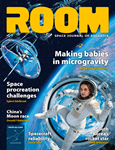
So check it out and start shaping your congress agenda! Don't forget ROOM – The Space Journal is a media sponsor of IAC 2018 and will have representatives at the event, so please come and find us on our stand!