


NASA is introducing a programme to offer new businesses use of patented technology for no up-front fees.
To help start-ups overcome the perennial challenges of a lack of capital and difficulty in establishing intellectual property rights, Startup NASA will give businesses access to more than 1,200 technologies, from aeronautics and communications to power generation and sensors.
“The Startup NASA initiative leverages the results of our cutting-edge research and development so entrepreneurs can take that research — and some risks — to create new products and new services,” said David Miller, the agency’s chief technologist.
Operating under the Technology Transfer Programme, the initiative has some rules. For example, the companies must intend to use the technology commercially, and NASA will collect a royalty once they begin to sell products. Access to each individual technology is non-exclusive, though that is subject to negotiation.
Available technology includes Ad Hoc Technology for Voice-Over-Internet Streams, which blends multiple audio streams into a single source. This allows for simultaneous monitoring of activities or events by multiple users in different locations and communication among these users.
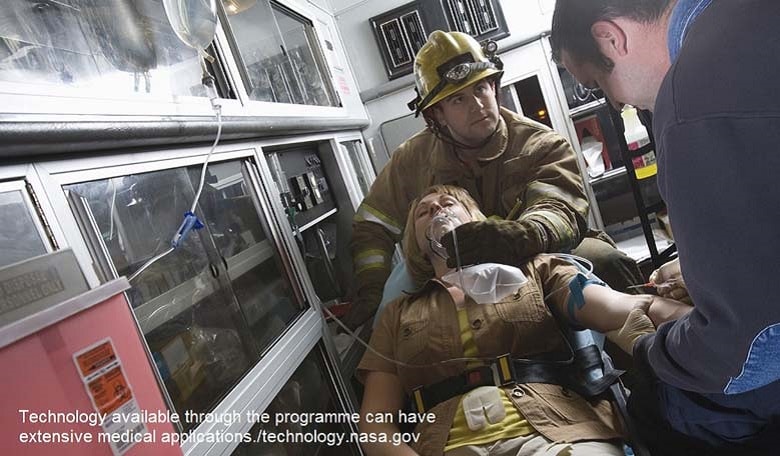
A Subcutaneous Structure Imager, developed at the Glenn Research Centre, allows medical personnel to locate veins more easily in patients where it would otherwise be difficult. The inexpensive and portable nature of the imager means it can be used in emergency or remote situations.