 July 2014
Beware the situation: how JSpOC tracks space debris
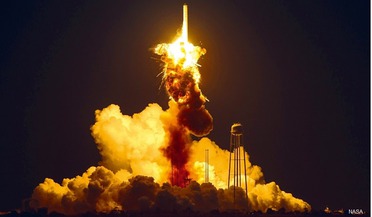
... spacecraft known as Fengyun 1C. Two years later, there was a collision between two spacecraft known as Iridium 33 and Cosmos 2251. And in 2012 the upper stage of a Russian BRIZ-M rocket exploded. Together, these events were a watershed...
 March 2015
Congested, contested, and invested: of space debris, risky launches and private initiative
... created by just two events: an anti-satellite test conducted by China in 2007, and the 2009 Iridium-Cosmos collision between a functioning U.S. telecommunications satellite and an inactive Russian military satellite. The consequences of those two...
 March 2015
Sky links: from multi-satellite systems to nano-launchers
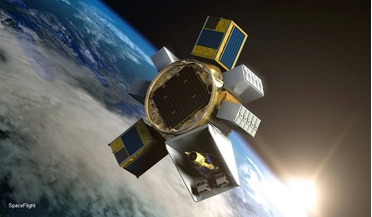
... information technology industries. This in turn stimulated the development of a corresponding model of orbital constellation design. The cosmos was automatically put into the losing position compared to the competition with Earth-oriented mobile and...
 March 2015
Dawn of ion propulsion
... has completed its repetitive loops around the sun more than seven times, its ambassador to the cosmos has had a much more varied itinerary. It has spent most of its time in space reshaping its orbit...
 October 2015
Russian business: a long road to the stars for private space initiative
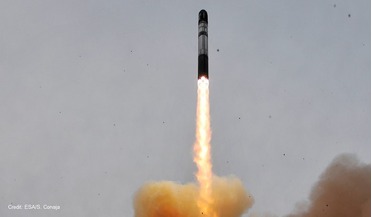
.... There is also another interesting Russian space enthusiast group, Tvoi Sektor Cosmosa (literally: Your Sector of the Cosmos), headed by former Dauria chief engineer Prof Alexander Shayenko. Tvoi Sektor is currently at work on the Mayak satellite...
 October 2015
Down to Earth: how to deorbit satellites and save money
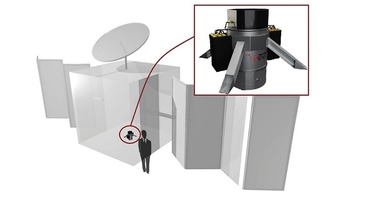
...debris colliding with a satellite could damage it or worse, as happened in 2009 when a defunct Russian satellite, Cosmos, destroyed an operational Iridium satellite. Today, satellite operators sacrifice propellant — and therefore the satellite’s life...