

Issue #4(22) 2019 Specials

Human conception and childbirth in space

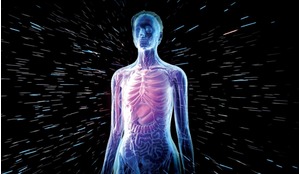
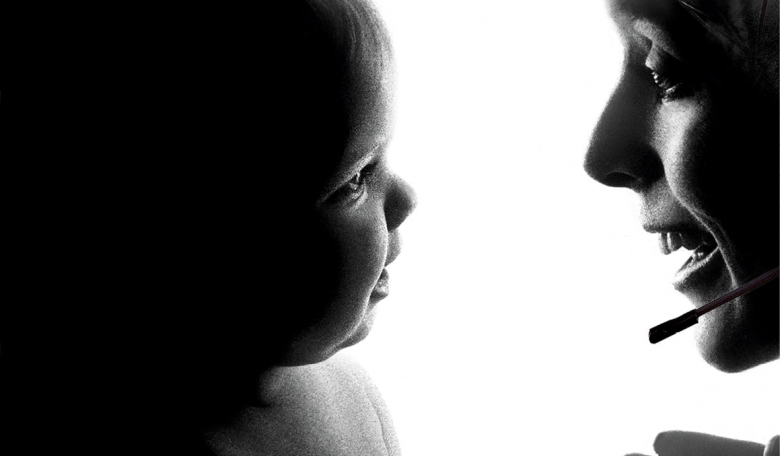
An artistic interpretation of an interaction between a spaceborn child and its mother in the austere, technology environment of space. (img:James Vaughan)
Egbert Edelbroek SpaceBorn United, Noordwijk, The Netherlands

Many space agencies and private space companies are preparing missions for human settlements on the Moon and Mars. SpaceBorn United researches the field of human reproduction in space to help enable the conditions that will, one day, make such settlements independent. Here, its CEO, Dr Egbert Edelbroek, describes its missions, ethos and plans for conception and childbirth in space in an article based on his talk at the Asgardia Space Science & Investment Congress (ASIC) in Darmstadt, Germany, in October.

Government agencies and companies alike find space life science challenges difficult to address, especially when they concern human reproduction in space. The subject is a delicate one and is often seen as controversial by taxpayers and other observers. But steps need to be taken in order to make the ambitions for independent settlements feasible. Becoming a multi-planetary species clearly requires learning how to reproduce in space. Thus space agencies acknowledge the need for this research and explicitly encourage independent, focused companies to address this challenge. SpaceBorn United has embraced it and the company translates the outcomes of its research into mission designs and biomedical equipment required for those missions.


If you already have a login and password to access www.room.eu.com - Please log in to be able to read all the articles of the site.

Popular articles

See also

Astronautics

Remote sensing by satellite - People’s Republic of China

Security

Motion capture

Astronautics

Taking quantum into space

Popular articles

Portrait of astronaut and former director of the Johnson Space Center, Ellen Ochoa who in 1993 became the first Latina woman to go to space when she served on a nine-day mission aboard the Space Shuttle Discovery. Lounge

Art, imagination and the human spirit

ESA’s Space Surveillance Telescope in Tenerife is part of Europe’s sovereign space situational awareness infrastructure, contributing to conjunction warnings and orbital safety. Opinion

From dependency to resilience - Europe’s moment in space traffic management